


Sapna has completed a Bachelor of Arts/Laws. Since graduating, she's worked primarily in the field of legal research and writing, and she now writes for Sprintlaw.
Contents
Pop up shops are a smart way to test new products, reach different customers, and build your brand without the long-term commitment of a permanent lease.
Whether you’re a growing ecommerce brand, a creative maker, or a seasonal retailer, a well-planned pop up can deliver great results - as long as you handle the legal setup and logistics properly.
In this guide, we’ll walk through what a pop up shop involves, how to plan one, the step-by-step setup process, the key laws that apply, and the essential documents to have in place so you can launch with confidence.
What Is A Pop Up Shop?
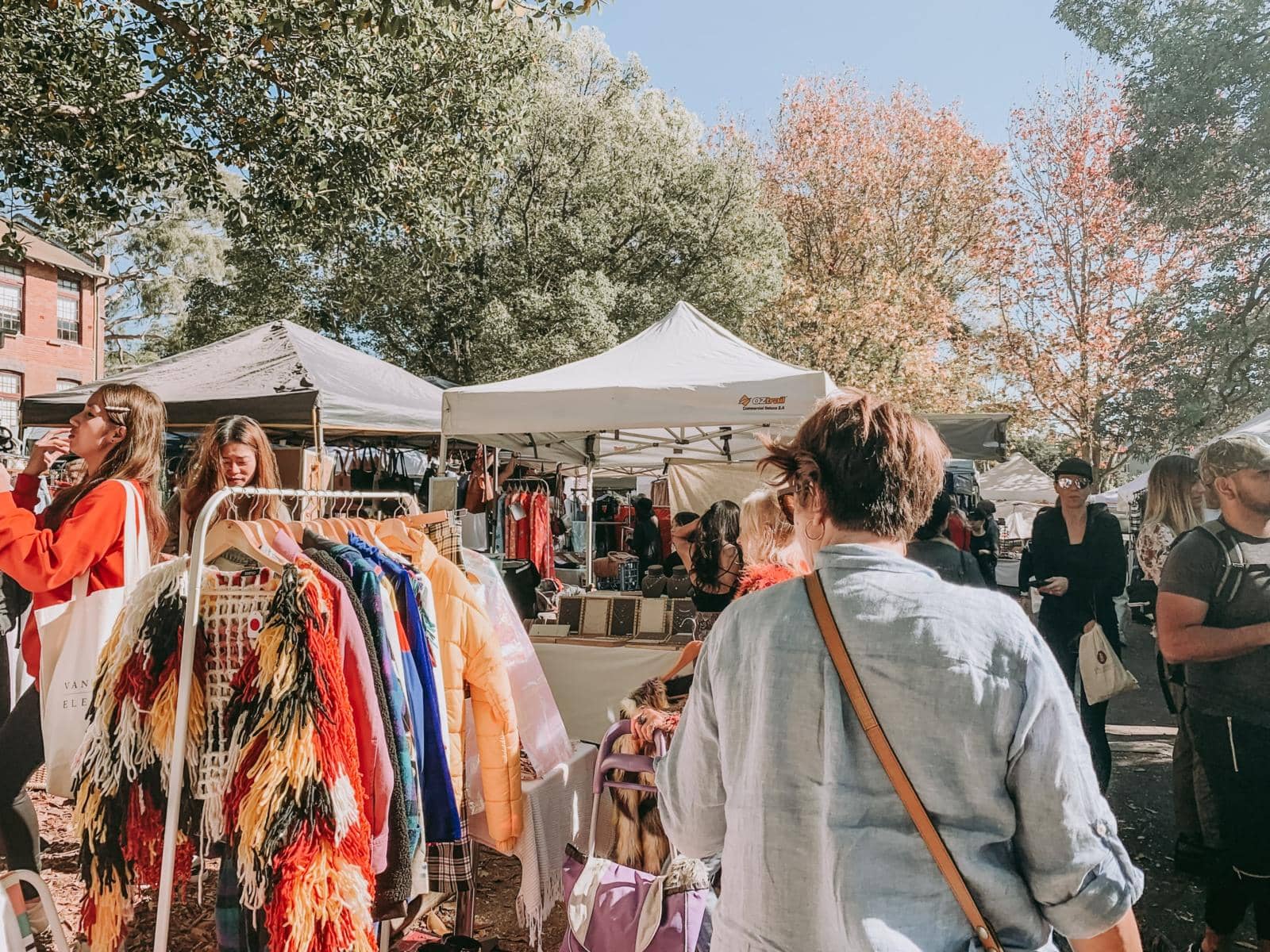
A pop up shop is a temporary retail space - often for days, weeks or a few months - set up in a high-traffic location to sell products, run activations, or validate a new market.
You might hire a short-term space inside a shopping centre, use a vacant storefront on a month-to-month basis, or license a section of an existing venue, like a foyer or shared workspace. Some pop ups even rotate between markets and events.
The key difference from a traditional store is the timeframe and flexibility. Because pop ups are temporary, you’ll typically use a licence instead of a long retail lease, and you’ll set up portable operations (fit-out, payments, staffing, policies) that can be packed down quickly.
Planning Your Pop Up: Location, Budget And Timing
Before you sign anything, spend time on your plan. A bit of preparation here will save you money and headaches later.
Think about these areas:
- Goals: Are you testing a new product, building brand awareness, clearing seasonal stock, or validating a new suburb?
- Target Customers: Who are you expecting to visit? What price point and product mix will resonate?
- Location & Foot Traffic: Which centres, high streets or event venues see your ideal customers? Walk the area at different times and days.
- Budget: Include licence or hire fees, short-term insurance, utilities, temporary fit-out, signage, staffing, marketing, and bond/deposit.
- Timing: Align dates with relevant seasons, pay cycles, or events (for example, school holidays, payday weekends, or local festivals).
- Operations: Portable POS, stock logistics, returns handling, security, and daily open/close procedures.
Finally, consider your brand. If this pop up works and you want to repeat it, protecting your name and logo now can help you scale more safely - it’s often worth looking at whether to register your trade mark.
Step-By-Step Guide To Setting Up A Pop Up Shop
1) Choose Your Business Structure And Get Set Up
If you’re trading already, you may be set. If not, decide whether you’ll operate as a sole trader, partnership, or company.
- Sole Trader: Simple and low-cost, but you’re personally responsible for debts and liabilities.
- Partnership: Similar simplicity for two or more founders, but joint personal liability unless you incorporate.
- Company: A separate legal entity, which can help limit personal liability and can look more credible with larger venues and suppliers.
Make sure you have an ABN, your business name is registered if you’re trading under a name, and you’ve set up basic bookkeeping. If you sell significant volumes, consider whether you need to register for GST.
2) Secure The Space (And Read The Agreement Carefully)
For short-term retail, you’ll often use a licence rather than a lease. A licence gives you permission to use the space for a defined time without granting the same rights as a long-term tenant.
The agreement should cover term, fees, inclusions (power, security, storage), fit-out approvals, trading hours, indemnities, insurance, and exit obligations. If you’re using a shared or flexible space, it’s common to work under a Property Licence Agreement.
Don’t rush this step. Venue rules can be strict and non-compliance can get your pop up shut down quickly. Make sure the agreement aligns with your business operations and risk profile.
3) Arrange Your Fit-Out And Equipment
Check what the venue allows. Some spaces are “plug and play” with shelving and counters included; others require you to bring portable fixtures.
Confirm any building or fire safety rules, access instructions, and storage limits. Agree in writing on who handles installation, cleaning, and removal, and what “make good” is required at the end.
4) Set Up Your Payments, POS And Online Presence
Choose a payment solution that supports card and digital wallets, issue receipts, and prepare contingency (like offline mode if internet drops). If you also sell online, make sure your website has clear Website Terms and Conditions and product information that matches what you’ll have in-store.
For in-person sales, have concise, visible policies for pricing, refunds, and warranty handling. If you publish policies online or take orders through your site, add clear Terms of Sale so customers know exactly how orders, shipping and returns work.
5) Hire And Prepare Your Team
Pop ups often rely on casual staff to cover variable trading hours. Put proper agreements in place and ensure onboarding covers customer service, safety, stock handling, and procedures for refunds and complaints.
Using a well-drafted Employment Contract helps set expectations around hours, pay, confidentiality and IP, and it can prevent disputes later.
6) Finalise Insurance, Safety And Daily Procedures
Venues commonly require public liability insurance and proof of cover before you open. Document your opening and closing checklists, petty cash handling, incident reporting, and emergency procedures.
Test your POS, security (including tagging or lockable cabinets), and stock tracking so your team can trade smoothly from day one.
What Laws And Permits Apply To Pop Up Shops In Australia?
Even though a pop up is temporary, it’s still a business. A handful of laws and approvals typically apply. Your exact obligations depend on the products you sell, how and where you trade, and whether you hire staff.
Local Council Permissions And Venue Rules
Many locations (malls, markets, high streets) are already zoned for retail, and you may not need a separate council approval if you’re trading within an approved venue and following its rules.
If you’re setting up on public land or outdoors (like a street activation), check whether a council permit or temporary activity approval is required. For signage and A-frames, confirm any local restrictions. Always comply with the venue’s fit-out, fire safety, loading dock and trading hours policies.
Selling Food Or Cosmetics?
Pop up food and beverage operators usually need additional registrations and food safety compliance. If you handle unpackaged food, expect stricter requirements (like handwashing facilities, temperature control and staff training). Cosmetics and skin-contact products have their own labelling rules - plan ahead if you’re sampling or selling these items.
Australian Consumer Law (ACL)
All retail businesses must comply with the Australian Consumer Law. This covers truthful advertising, clear pricing, product safety, and fair refund handling. Avoid statements that could be considered misleading or deceptive - the rules around advertised price laws and representations apply even in a short-term store.
Make sure your refund signage and policies match your legal obligations (for example, you can’t exclude consumer guarantees for faulty goods). Train staff on when refunds, repairs or replacements apply.
Privacy And Marketing
If you collect customer details for receipts, delivery, loyalty sign-ups or newsletters, you’ll need a clear Privacy Policy explaining how you handle personal information.
If you plan to run mailing lists or promotions, ensure your practices align with Australian email marketing laws (consent, opt-out, sender identification). Keep collection forms and consent records simple and compliant.
Employment And Workplace Safety
Hiring staff means complying with Fair Work obligations, including correct classification, pay, record-keeping, and safe working conditions. Make sure your rostering respects breaks and maximum hours, and communicate incident procedures. Written policies and documented inductions will help.
Payments, Pricing And Receipts
Be transparent about pricing, surcharges, and any minimum spend rules. Issue receipts as required and have a plan for handling refunds and chargebacks. If you’re considering cashless trading, be mindful of accessibility and signage so customers understand their options at the door.
Promotions, Giveaways And Competitions
Pop ups often rely on social activations. If you’re running competitions, ensure your mechanics and T&Cs comply with state-based permits where applicable and national rules around disclosure and fairness. It’s worth brushing up on giveaway laws before you launch a promotion.
What Legal Documents Will I Need?
The right paperwork helps you trade smoothly, control risk, and avoid disputes. Not every pop up will need every document below, but most will rely on several of them.
- Property Licence Agreement: Sets the terms for using the space (term, fees, inclusions, insurance, indemnities, make good). Many pop ups operate under a Property Licence Agreement rather than a full retail lease.
- Terms Of Sale: Explains how you sell in-store or online - pricing, payment, delivery/collection, risk of loss, and returns. If you’re selling online as well, add clear Terms of Sale to avoid confusion.
- Website Terms And Conditions: If you’re driving traffic to your site during the pop up, your website should include Website Terms and Conditions to set rules for use and limit your liability.
- Privacy Policy: Required if you collect personal information (for example, newsletters, order details, or loyalty sign-ups). A Privacy Policy explains what you collect, why, and how customers can contact you.
- Warranties Against Defects Policy: If you offer your own warranties (in addition to ACL guarantees), keep them in writing with the required wording so they’re enforceable and compliant.
- Employment Contract (Casual): Sets expectations for pay, hours, confidentiality and conduct. A tailored Employment Contract helps you onboard quickly and fairly.
- Supplier Agreements: Clarify stock pricing, delivery timings, consignment terms, and returns with your suppliers to avoid stock or cash flow surprises.
- Non-Disclosure Agreement (NDA): Useful if you’re partnering with other brands, contractors, or influencers and need to protect confidential information (like product designs or pricing).
- IP And Brand Protection: Consider registering your brand name and logo as a trade mark to prevent copycats if the pop up boosts your visibility - you can register your trade mark at any time, but earlier is usually better.
These documents are most effective when tailored to the way you trade - especially your refund, warranty and delivery processes, which need to align with the ACL and your operations.
Key Takeaways
- A pop up shop lets you test markets and grow brand awareness, but it still carries legal obligations around space use, consumer law, staffing and privacy.
- Start with a clear plan: your goals, target customers, location, budget, dates and portable operations (POS, signage, policies and procedures).
- Secure the right space on fair terms - most pop ups use a licence rather than a long lease, and a well-drafted Property Licence Agreement manages venue rules and risk.
- Comply with the Australian Consumer Law, including accurate pricing, truthful advertising and fair refunds; align your signage and staff training with these rules.
- If you collect customer data, have a Privacy Policy and follow Australian email marketing rules for consent and opt-outs.
- Put core contracts in place before opening: Terms of Sale (if you also sell online), Website Terms and Conditions, Employment Contracts for casual staff, and supplier agreements.
- Protect your brand early if you plan to repeat the concept or expand - registering a trade mark can help secure your name and logo.
If you’d like a consultation on setting up a pop up shop, you can reach us at 1800 730 617 or team@sprintlaw.com.au for a free, no-obligations chat.